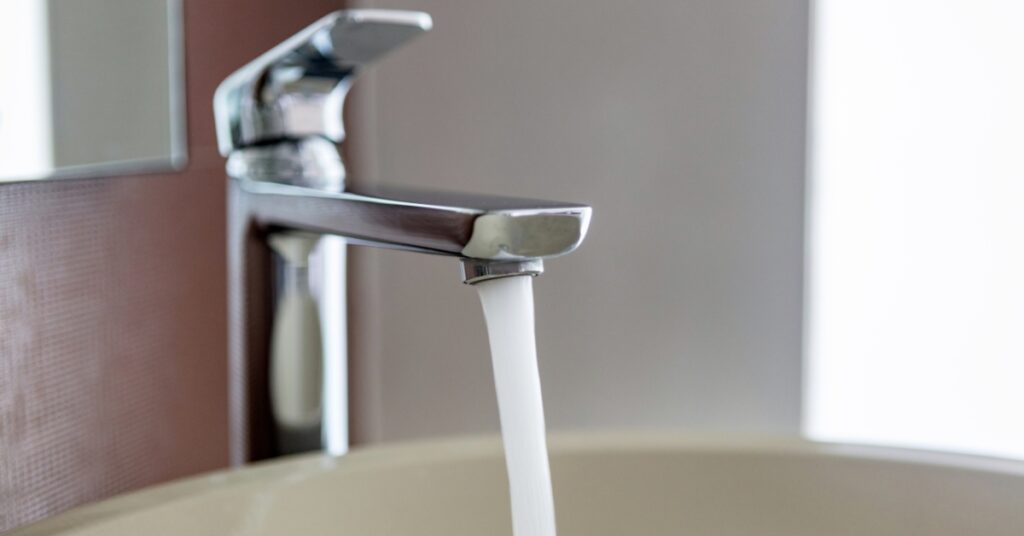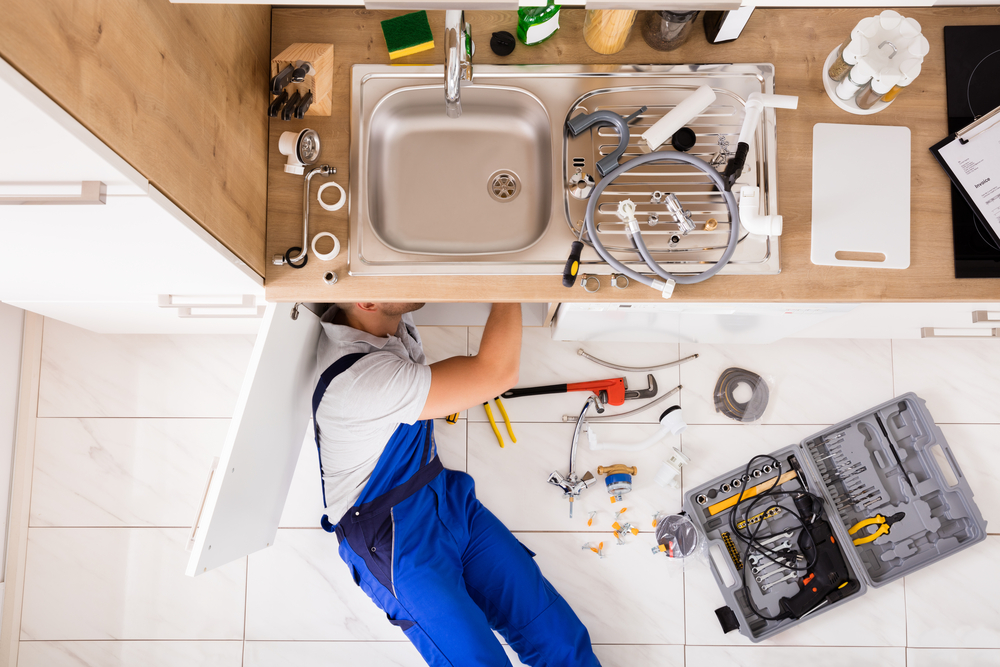
When it comes to water quality, most of us tend to assume that what comes out of our taps is safe. But the reality is that the water flowing into your home might be contaminated with various elements like chlorine, sediment, and even bacteria. Whether you rely on a municipal water supply or well water, the quality of water can be impacted by several factors — including the plumbing in your own home.
Fortunately, there are many proactive steps you can take to improve water quality at home and ensure the water you use for drinking, bathing, and cleaning is safe and fresh. For example, we offer targeted solutions that can help reduce minerals, chlorine, and other impurities before they reach your tap.
In this post, we’ll explore how to improve water quality at home by focusing on plumbing-related solutions. From installing filters to upgrading fixtures and monitoring your water supply, these simple steps can make a significant difference in the quality of water in your household.
Why Water Quality Matters
Before diving into the specifics of how to improve water quality at home, it’s important to understand why water quality is so critical. Our water is not only vital for hydration but also plays a major role in personal hygiene and health. Contaminants in your water can lead to:
- Health risks: Certain pollutants, like heavy metals, bacteria, and chemicals, can have serious long-term health impacts. Prolonged exposure to these contaminants can lead to digestive issues, skin conditions, or even more severe illnesses.
- Skin and hair problems: Hard water, which contains high levels of calcium and magnesium, can cause skin dryness and irritation. It can also leave hair feeling rough, brittle, or weighed down by mineral buildup.
- Plumbing issues: Contaminants like sediment and minerals can also build up inside your pipes, leading to clogs, reduced water pressure, and potential damage to your plumbing system. Learn more about the hidden health risks of outdated pipes and how they might be impacting your home.
Now that we know the importance of water quality, let’s take a look at how to improve water quality at home by addressing common plumbing issues and making necessary upgrades.
1. Install Water Filters
One of the most effective ways to improve water quality at home is by installing water filters. Filters can help remove various contaminants, such as chlorine, lead, sediment, and even certain bacteria and viruses. If you’ve never looked into what’s really in your tap, you might be surprised by the results of a water quality test.
While you don’t need to install a whole-house filtration system immediately, adding filters to key areas can significantly improve the water quality in your home.
Types of Filters to Consider:
- Faucet-mounted filters: These are easy to install and are a great option for providing filtered drinking water directly from the tap. They typically remove chlorine, lead, and other common contaminants.
- Shower filters: If you’re concerned about chlorine or other chemicals affecting your skin and hair, consider installing a shower filter. It will reduce exposure to harsh chemicals, which can help prevent dryness and irritation.
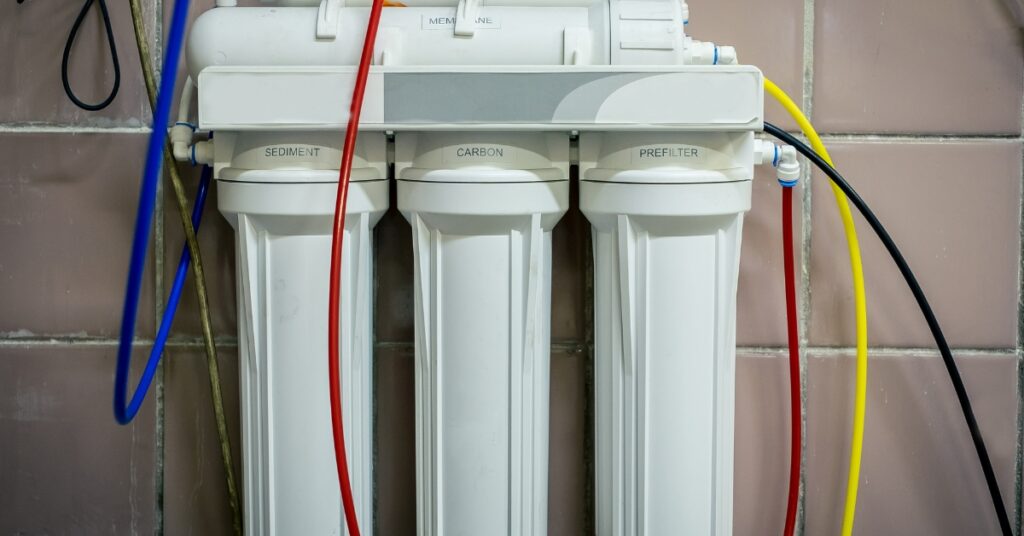
- Under-sink filters: These filters are installed directly under your sink and provide filtered water through a dedicated faucet. They’re more powerful than faucet-mounted filters and are ideal for households that want cleaner water for cooking and drinking.
- Whole-house filtration systems: For those looking for comprehensive filtration, whole-house systems filter all water entering your home, providing clean water to every faucet. While these systems can be more expensive to install, they offer complete peace of mind.
When Installing Filters, Consider:
Proper maintenance: Filters need to be changed regularly to maintain their effectiveness. Be sure to follow manufacturer guidelines for filter replacement to ensure your water stays clean.
Water quality in your area: The specific contaminants found in your local water supply should guide your filter choice. For example, if you have hard water, you may want to consider a water softener or a filtration system designed to reduce mineral buildup.
2. Upgrade Your Plumbing Fixtures
Your home’s plumbing fixtures are more than just decorative items. They play a major role in water quality, and outdated or worn-out fixtures can contribute to problems like low water pressure, leaks, and mineral buildup. By upgrading your plumbing fixtures, you can enhance water flow and quality throughout your home.
Areas to Consider Upgrading:
- Faucets: Leaky or corroded faucets can allow contaminants like rust or bacteria to enter your water supply. Upgrading to newer, high-quality faucets can help eliminate this issue.
- Showerheads: Old showerheads can accumulate mineral deposits from hard water. A new, efficient showerhead with a built-in filter can reduce exposure to these minerals while improving your shower experience.
- Water pressure regulators: If you’re dealing with high water pressure, it can cause pipes to wear out faster and contribute to sediment buildup. Installing a water pressure regulator can help maintain optimal water flow and reduce strain on your plumbing system.
Upgrading plumbing fixtures isn’t just about aesthetics; it’s a key part of improving water quality and the overall efficiency of your plumbing system. If you’re unsure which upgrades are right for you, a professional plumber can provide guidance based on your needs.
3. Maintain Your Pipes
Your pipes are the backbone of your plumbing system, and the condition of your pipes directly impacts water quality. Over time, pipes can corrode, leak, or accumulate sediment, which can introduce contaminants into your water. These issues can also affect your hot water supply. Here’s how to spot common hot water tank problems before they cause a breakdown. Regular maintenance of your pipes can go a long way in improving water quality at home.
Key Pipe Maintenance Tasks:
- Inspect for leaks: Leaky pipes can allow pollutants to enter your water supply. Regularly check for leaks, especially in areas with older plumbing.
- Flush your system: Flushing your pipes periodically helps to clear out sediment, minerals, and other buildup that can affect water quality. This is particularly important for homes with hard water.
- Replace old pipes: Pipes made of galvanized steel, lead, or polybutylene can introduce contaminants into your water over time. If your home has old pipes, consider replacing them with modern materials like PEX or copper to ensure cleaner water.
Signs Your Pipes Need Attention:
- Discolored water: Brown or rusty water is a sign that your pipes may be corroding or that sediment is accumulating in your plumbing system.
- Low water pressure: A drop in water pressure can be caused by mineral buildup or sediment in your pipes. In some cases, a blockage might be further down the line. Here’s how to tell if you need professional drain cleaning instead of a quick DIY fix. If this happens, a professional plumber can help clean out the pipes or replace them if needed.
- Strange smells or tastes: If your water smells like rotten eggs or has a metallic taste, it may be due to bacteria or corrosion in your pipes.
By staying proactive with pipe maintenance, you can avoid many of the issues that compromise water quality at home.
4. Monitor Water Quality Regularly
To ensure that your water quality remains high, it’s important to monitor your water supply regularly. This can be done through simple tests that check for contaminants like chlorine, lead, pH levels, and hardness. Many water testing kits are available for home use, or you can hire a professional to conduct a comprehensive water quality test.
What to Test for:
- Chlorine levels: Chlorine is commonly used to disinfect municipal water, but excessive amounts can cause dry skin, hair damage, and an unpleasant taste.
- Lead: If you live in an older home with lead pipes, it’s important to test for lead contamination, as it can pose serious health risks, especially for young children.
- Hard water: If you have hard water, testing for calcium and magnesium levels can help you determine the extent of mineral buildup in your water and decide whether you need a water softener.
Regular testing can give you peace of mind knowing that your water quality is up to par and help you spot any issues before they become major problems.
Improving Water Quality with Prime Flow Plumbing
At Prime Flow Plumbing, we understand the importance of clean water for your health and home. Our team specializes in improving water quality through plumbing upgrades and maintenance. Whether you need to replace old pipes, install water filters, or fix leaks, we can provide expert solutions to ensure your water is clean and safe.
If you’re unsure about the condition of your plumbing or need help with any water quality issues, don’t hesitate to reach out to us. We’ll assess your plumbing system and provide recommendations tailored to your needs.