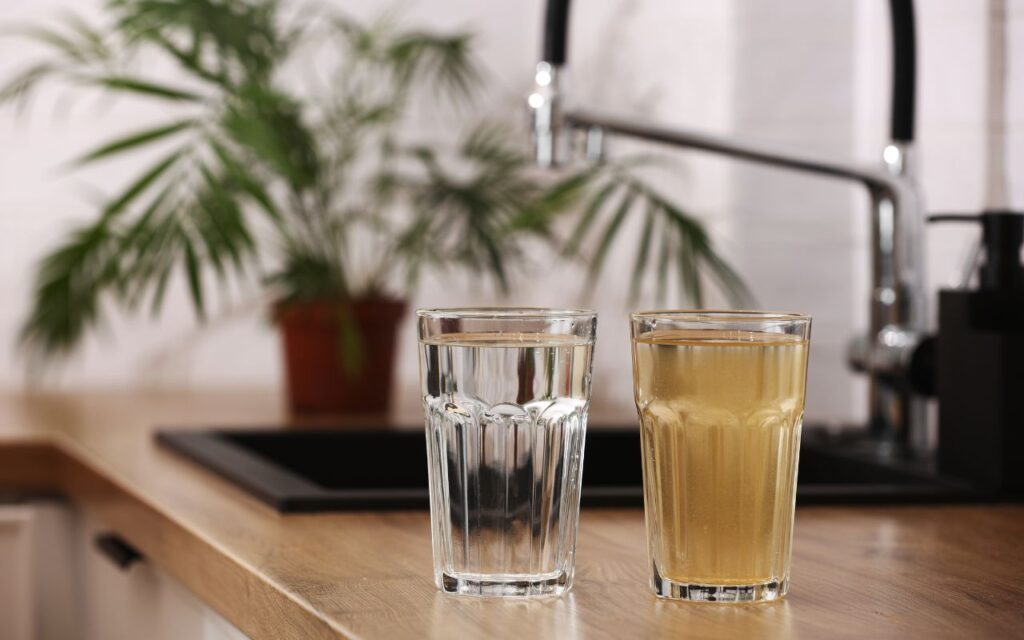
If your tap water tastes metallic, smells odd, or leaves unsightly stains in your sink or tub, your plumbing might be to blame. While many people focus on water sources when evaluating water quality, they often overlook a critical factor—the condition of their own pipes. Even if your city or county provides clean, treated water, it can become contaminated as it travels through your home’s plumbing system.
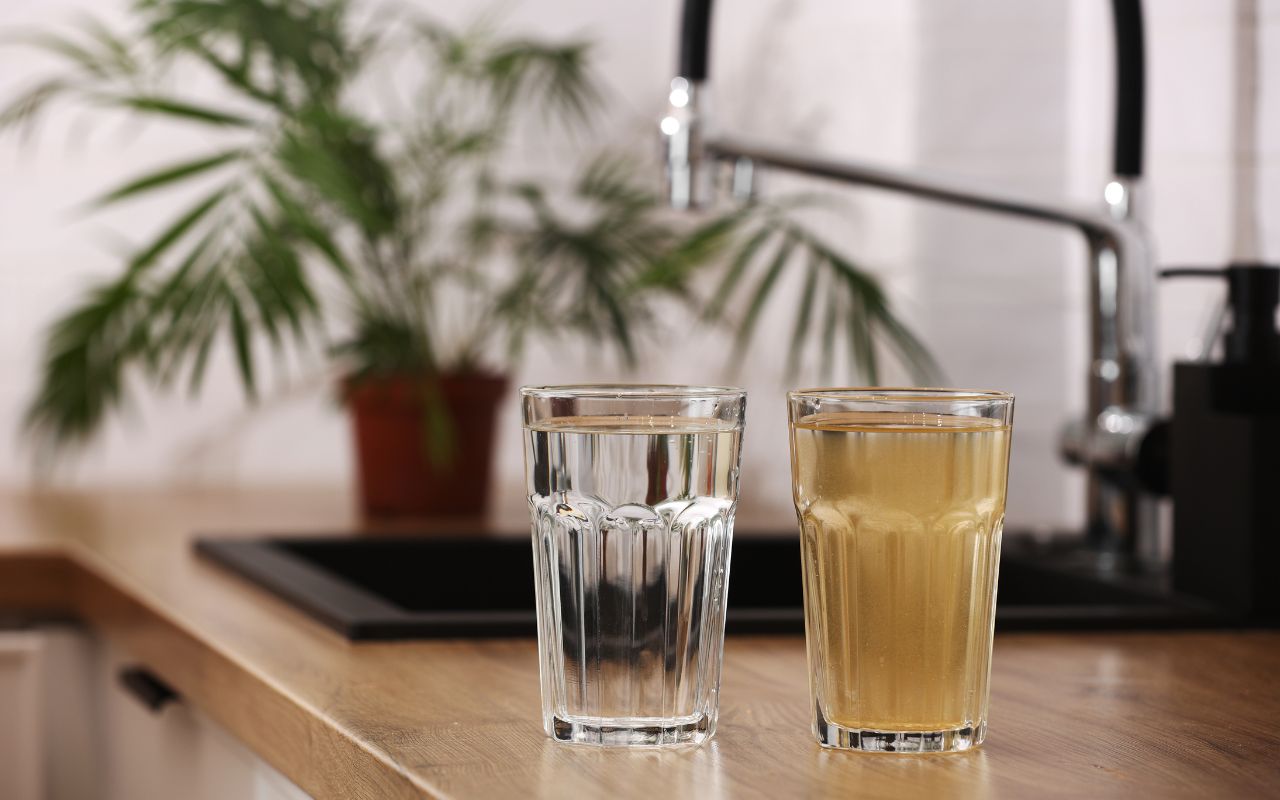
Whether you’re in an older home or a recently remodeled one, understanding how plumbing affects water quality is key to protecting your health, home, and appliances. In this post, we’ll walk through what water quality means, how plumbing materials and age impact it, and what you can do to fix it.
What Does “Water Quality” Really Mean?
Water quality refers to the chemical, physical, and biological characteristics of water, especially in relation to its safety for drinking and daily use. Key factors include:
- Taste – Is the water metallic, bitter, or earthy?
- Odor – Does the water smell like rotten eggs, metal, or mold?
- Clarity – Is it cloudy, discolored, or full of particles?
- Chemical Composition – Does it contain lead, copper, or harmful bacteria?
All of these can be influenced by what’s happening inside your pipes. So if you’ve ever wondered how plumbing affects water quality, the answer is: more than you think.
How Plumbing Materials Impact Your Water
Even if your city provides clean, treated water, it can pick up contaminants from the materials inside your home’s plumbing system. The age and composition of your pipes matter more than you might think. Here’s how:
Old Pipes and Corrosion
Over time, all plumbing materials begin to degrade. As pipes age, they corrode from the inside out, releasing rust, sediment, and even metals into your water. Corroded pipes not only affect taste and clarity, but they can also reduce flow and harbor harmful bacteria. If your plumbing system is 30+ years old and hasn’t been updated, there’s a high chance corrosion is affecting your water quality.
Galvanized Steel and Lead
Galvanized steel was commonly used in homes built before the 1960s. These pipes are prone to internal rust and mineral buildup, which can cause discoloration and metallic tastes. Worse, many older homes still contain lead pipes or lead solder—both of which are hazardous. As lead deteriorates, it can leach into drinking water and cause serious health risks, especially for children. Even small amounts of lead exposure are unsafe, according to the CDC.
Copper Pipes and pH Sensitivity
Copper is more durable than steel or lead, but it’s not immune to problems. If your water is too acidic (low pH), it can wear away copper from inside the pipes, introducing it into your drinking water. This can lead to a bitter or metallic taste, blue-green stains in sinks, and—at higher levels—digestive issues. Testing pH levels is important if you suspect copper corrosion.
Polybutylene and Chlorine Breakdown
Homes built in the late 1970s through the 1990s may have polybutylene (PB) pipes, which were a popular alternative due to their low cost. Unfortunately, polybutylene is highly susceptible to degradation when exposed to chlorine—a common disinfectant in municipal water. As PB pipes age, they become brittle, crack, and flake apart from the inside, leading to leaks and chemical leaching into your water.
How Plumbing Affects Taste, Smell, and Appearance
It’s not just about what materials are in your pipes—it’s also about what’s happening inside them.
Sediment and Mineral Buildup
Hard water contains minerals like calcium and magnesium that deposit along pipe walls. Over time, this buildup can:
- Restrict water flow
- Create pockets where bacteria can grow
- Cause a chalky or gritty texture in your water
Biofilm and Bacterial Growth
Inside your pipes, a thin layer of bacteria, called biofilm, can form. This layer can host a variety of microorganisms, some of which may be harmful to your health. When biofilm becomes dislodged, it can give your water a moldy smell or cause discoloration.
Stagnation and Low Flow
If water sits in pipes for too long—such as in guest bathrooms or older, less-used parts of your plumbing—it can pick up metals, bacteria, and off-flavors. Water that has stagnated may also smell bad or appear cloudy.
Plumbing Materials That Harm Water Quality
Low-Grade or Non-Code Materials
Sometimes contractors or DIY homeowners use substandard plumbing materials that aren’t rated for drinking water. These include:
- Low-grade plastics that leach chemicals
- Rubber components that affect taste
- Uncertified fittings that corrode quickly
If your plumbing system includes any of these, you’re at risk for water quality problems even if the rest of your system is in decent shape.
Lead Solder and Brass Fittings
Even modern plumbing systems can contain brass fixtures or connectors that contain small amounts of lead. Over time, and especially in acidic or hot water conditions, that lead can leach into your water supply.
Hidden Dangers: What You Can’t See Can Hurt You
Not all water problems are obvious. Just because your water looks clear doesn’t mean it’s clean. Contaminants can lurk undetected behind your walls and inside your pipes.
Invisible Contaminants
Some of the most dangerous pollutants in your water have no taste, odor, or color. These include:
- Lead – Leaches silently from aging pipes or brass fittings
- Volatile Organic Compounds (VOCs) – Come from pipe adhesives, industrial runoff, or plastic leaching
- Microbial biofilm – A slimy layer inside pipes that hosts bacteria like E. coli or Legionella
Because these contaminants are invisible, many homeowners don’t realize there’s a problem until someone gets sick or fails a water quality test.
Associated Health Risks
When plumbing materials start to break down, your family’s health can be affected in ways you might not expect. Potential health risks include:
- Lead poisoning – Even low levels can cause learning and behavior problems in children, and high levels can affect kidney and nervous system function in adults.
- Copper toxicity – Nausea, vomiting, and long-term liver damage can occur with excessive copper exposure.
- Bacterial infections – Pathogens from biofilm or stagnant water can cause respiratory illnesses or serious infections.
- Exposure to VOCs – Long-term exposure may increase cancer risk or affect liver and kidney function.
These risks are often compounded in older homes or properties with deferred plumbing maintenance.
Water that looks clean can still be unsafe. Lead, bacteria, and volatile organic compounds (VOCs) are often invisible, odorless, and tasteless in small amounts.
Health risks include:
- Lead poisoning – developmental delays, neurological issues, and reproductive problems
- Copper toxicity – nausea, vomiting, and liver damage
- Bacterial infections – Legionella, E. coli, and other pathogens
- VOCs – long-term exposure can increase cancer risk and damage internal organs
If your plumbing is outdated or built with questionable materials, you could be putting yourself and your family at risk without even knowing it.
Signs Your Plumbing May Be Contaminating Your Water
Be on the lookout for the following signs, which often indicate your plumbing is affecting your water quality:
- Rust-colored water or stains in sinks and tubs
- Metallic or sour taste
- Rotten egg or musty odors
- Low water pressure
- Clogged fixtures with mineral deposits
- Frequent leaks or pinhole bursts
Even one of these could be a red flag that your pipes are affecting the water coming out of them. Multiple symptoms usually indicate widespread pipe degradation or contamination.
What You Can Do About It
Step 1: Test Your Water
The first thing to do is get a comprehensive water test. You can buy a home testing kit or hire a professional plumber to run tests for:
- Lead
- Copper
- Iron
- Bacteria
- pH levels
- Hardness
- VOCs
These results help determine whether the problem lies in your source water or in your pipes.
Step 2: Upgrade Outdated Plumbing
If your pipes are made from lead, galvanized steel, or polybutylene, a repipe is the safest solution. Replacing them with modern PEX or copper piping will eliminate corrosion, boost pressure, and improve your water’s overall quality.
PEX is often the best choice for residential repipes:
- It’s flexible and easier to install
- It resists corrosion and mineral buildup
- It’s NSF-certified for potable water
- It works well in both cold and hot water lines
Step 3: Install a Water Filtration System
In homes where full repiping isn’t necessary, adding filtration can be a game changer. Whole-home systems are ideal if you want every faucet to run clean, high-quality water. Point-of-use systems, such as under-sink filters, are great for targeting specific areas like the kitchen.
Options include:
- Carbon filters – remove chlorine, VOCs, and bad taste
- Reverse osmosis – eliminates lead, arsenic, and fluoride
- Water softeners – reduce hard water minerals and scale buildup
Step 4: Replace Fixtures and Valves
Old fixtures can still leach lead or other contaminants even if the pipes are safe. Replace outdated faucets, showerheads, and angle stops with lead-free, high-quality parts to ensure you’re not undoing the benefits of a new system or filter.
Step 5: Stay On Top of Maintenance
Preventive care goes a long way:
- Flush infrequently used lines monthly
- Drain and flush your water heater annually
- Watch for pressure changes or sudden changes in taste or smell
- Check fittings for corrosion or discoloration
These small steps help you stay ahead of problems that could compromise your water quality over time.
What We Offer at Prime Flow Plumbing
We’ve seen how plumbing affects water quality firsthand. One day you’re dealing with low water pressure and rusty stains—next thing you know, you’ve got pinhole leaks and water that smells like a science experiment. It happens fast, and most homeowners don’t realize the source of the problem is buried behind their walls.
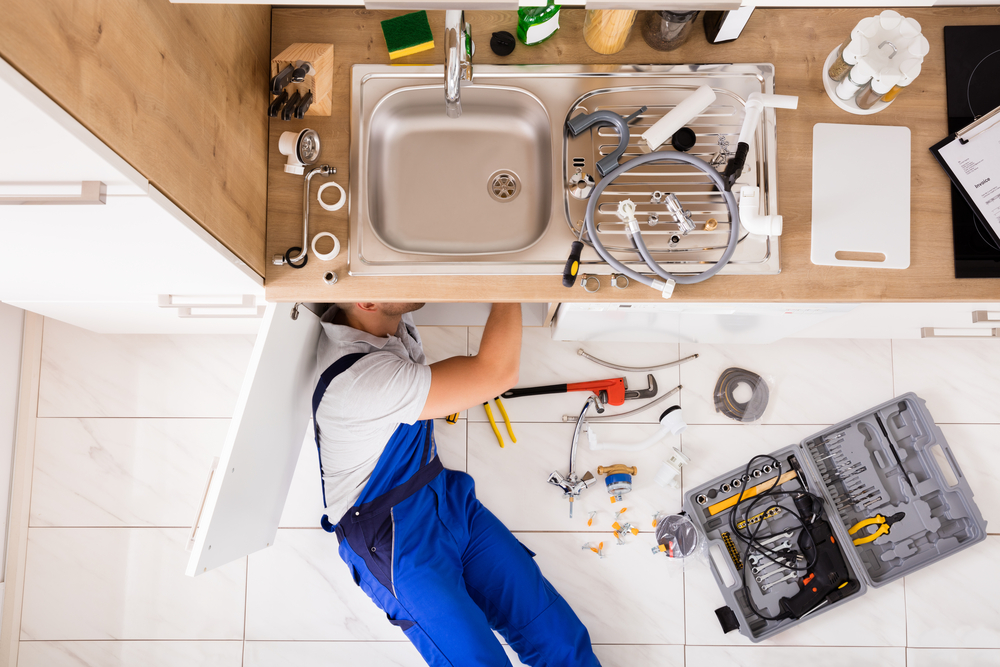
We focus on the plumbing upgrades that directly affect your water quality—like full home repipes, advanced water filtration systems, and removing outdated or corroded piping that could be compromising your water. If your home still has galvanized pipes, lead fittings, or mystery odors coming from your tap, we can inspect your system and give you real, no-pressure advice. Sometimes you need a full repipe. Sometimes, a new filtration system is all it takes. Either way, we’ll help you figure it out.
Our team works throughout Salt Lake and Utah Counties. If you’re in Draper, Lehi, Sandy, Orem, or anywhere in between, we’ve got you covered.
Why This Matters in Utah
Utah’s hard water isn’t just tough on your appliances—it’s tough on your plumbing. The minerals in our water supply speed up scale buildup, lower your water pressure, and shorten the lifespan of your pipes and fixtures.
Homes in older neighborhoods around Salt Lake City, Sandy, and Provo often still have aging infrastructure that’s been patched together over the years. Those older systems are more prone to corrosion, leaching, and biofilm buildup. If your house was built before 1990 and hasn’t had a plumbing upgrade, it’s a smart idea to take a closer look.
Don’t Ignore the Pipes Behind the Wall
Your water might look clean. It might even taste fine most of the time. But if your plumbing system is old, corroded, or built with substandard materials, it’s likely affecting your water quality in ways you can’t see.
Upgrading your plumbing is one of the smartest long-term investments you can make in your home. It protects your health, improves your comfort, and can even raise your property value. And the peace of mind that comes from knowing your water is truly safe? That’s worth every penny.
If you’re ready to get to the bottom of what’s really coming out of your tap, we’re here to help. Reach out anytime. Let’s fix it before it becomes a crisis.