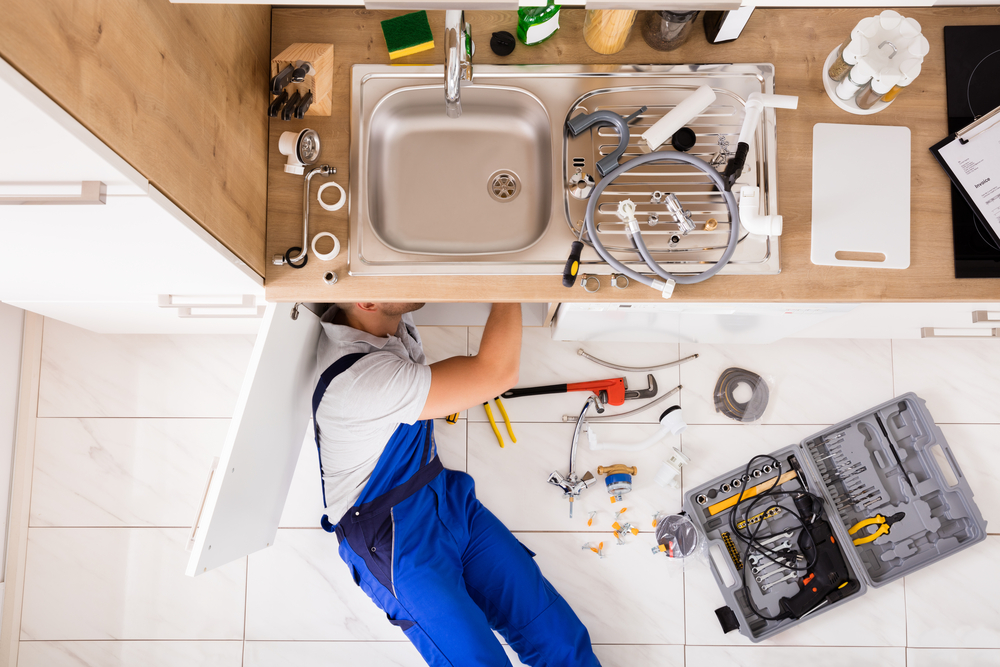
Understanding the Causes—and What You Can Do About It
Few things are more unpleasant than a bad smell coming from your sink, shower, or floor drain. A stinky drain isn’t just annoying—it can also be a sign of deeper plumbing issues that shouldn’t be ignored.
In this blog post, we’ll break down the common causes of smelly drains, how to fix them, and when it’s time to call a professional plumber. Whether you’re dealing with a foul kitchen sink or a musty bathroom drain, this guide will help you clear the air.
Common Causes of Smelly Drains
Let’s face it: drains are a magnet for all kinds of nasty things. Grease, food scraps, hair, soap scum, and even bacteria can collect in your pipes over time. But what exactly causes that unpleasant odor? Here are the most likely culprits:
1. Food Buildup in the Kitchen Sink
If your kitchen sink drain smells like rotten eggs or garbage, the problem is probably decomposing food waste. Even if you use a garbage disposal, food particles can get stuck in the pipes, especially if you rinse with cold water or don’t run the disposal long enough.
What it smells like: Rotten eggs, sour garbage
Common in: Kitchen sinks
2. Dry P-Trap
The P-trap is the curved pipe under your sink or shower. It’s designed to hold water, creating a seal that blocks sewer gases from rising up into your home.
If a drain hasn’t been used in a while (like a guest bathroom), the water in the trap can evaporate, breaking the seal and letting foul smells in.
What it smells like: Sewage or musty odor
Common in: Guest bathrooms, basement sinks, unused drains
3. Clogged or Dirty Drain
Hair, soap scum, and grime can create buildup inside bathroom drains. Over time, this gunk traps bacteria and produces a foul smell.
What it smells like: Mildew, mold, sour
Common in: Bathroom sinks, showers, tubs
4. Bacterial Biofilm
Inside your drains, bacteria can form a slimy layer called biofilm. This biofilm thrives on soap residue, skin cells, and organic matter. It clings to pipe walls and releases a musty or swampy odor.
What it smells like: Earthy, musty, swampy
Common in: Bathroom drains
5. Blocked or Broken Vent Pipe
Your home’s plumbing system includes vent pipes that let sewer gases escape safely outside. If the vent is blocked (by leaves, debris, or an animal nest), or if it’s broken, those gases can get pushed back into your home through the drains.
What it smells like: Raw sewage
Common in: Any drain
6. Sewer Line Issues
In more serious cases, a bad drain smell could point to a cracked sewer line, tree root invasion, or a blockage deep in the system. This is especially likely if multiple drains smell, or if you notice other symptoms like slow draining or gurgling sounds.
What it smells like: Strong sewer odor
Common in: Multiple drains, floor drains
7. Mold or Mildew Growth
Moisture around or under sinks can create the perfect environment for mold growth. Even if your plumbing is working fine, water leaks or poor ventilation can allow mold to thrive and create a musty, sour odor.
What it smells like: Damp, earthy, stale
Common in: Cabinets, sink areas, basements
How to Fix Smelly Drains
The right fix depends on the cause. Here are some tried-and-true solutions to banish bad smells and restore fresh, clean drains.
✅ Flush the Drain With Boiling Water
Start with the simplest method: pour boiling water slowly down the drain. This can help loosen grease, melt soap residue, and kill bacteria.
Tip: Do this weekly to prevent buildup.
✅ Clean the P-Trap
If you suspect the P-trap is the problem:
- Remove it using a wrench or pliers (place a bucket underneath).
- Clean out any debris or standing water.
- Reattach the trap securely.
Tip: Run water regularly in rarely used drains to keep the P-trap full.
✅ Use Baking Soda and Vinegar
A natural, chemical-free cleaner:
- Pour ½ cup baking soda down the drain.
- Follow with 1 cup vinegar.
- Let it fizz for 10–15 minutes.
- Flush with hot water.
This combination can break down biofilm and deodorize your pipes.
✅ Snake the Drain
Hair and soap clogs are often too deep to reach by hand. A drain snake or plastic hair remover tool can help pull out debris lodged deep in the drain.
Tip: Don’t use chemical drain cleaners—they can corrode pipes and harm the environment
✅ Disinfect the Garbage Disposal
For stinky garbage disposals:
- Turn it off and remove visible debris.
- Grind citrus peels (lemon or orange) with a handful of ice cubes.
- Add a splash of vinegar while grinding to kill bacteria.
Tip: Clean your disposal weekly and run it with cold water after each use.
✅ Check for Ventilation Issues
If none of your cleaning efforts work and the smell persists, your plumbing vents may be blocked. This can be caused by:
- Debris on the roof vent
- Improper vent pipe installation
- Internal air admittance valve failure
You’ll need a plumber to inspect and repair these safely.
When to Call a Professional Plumber
Some smelly drains are easy to fix yourself. But if you experience any of the following, it’s time to call in a pro:
- Multiple drains in your home smell bad
- The odor persists even after cleaning
- You suspect a sewer line issue or a broken pipe
- There are signs of mold or water damage
- The smell is very strong, like sewage or gas
Professional plumbers have the tools to diagnose hidden problems—like using drain cameras or smoke testing—to get to the root cause quickly.
How to Prevent Smelly Drains
Once you’ve solved the issue, keep your drains clean and odor-free with these simple habits:
✔ Use Drain Screens
Catch hair, food scraps, and debris before they enter your pipes.
✔ Rinse With Hot Water Weekly
Run hot water down sinks and tubs to help prevent buildup.
✔ Avoid Pouring Grease or Oil Down the Drain
Grease solidifies in pipes and causes major clogs.
✔ Clean Your Drains Monthly
Use baking soda and vinegar or a mild enzymatic cleaner.
✔ Schedule Annual Plumbing Inspections
A professional inspection can catch early issues before they cause odors—or worse.
Final Thoughts
Smelly drains might start small, but they can signal larger plumbing problems or lead to health risks if left untreated. Whether the smell is coming from food, biofilm, or sewer gases, the most important thing is to act quickly.
Try the DIY methods above, and if that doesn’t work—don’t hesitate to call a licensed plumber. It’s better to resolve the problem now than deal with costly repairs later.
Need Help With a Stubborn Drain Smell?
Contact Prime Flow Plumbing Today!
Our friendly, licensed plumbers specialize in diagnosing and solving drain odor problems. We serve the Salt Lake Area with fast, professional, and affordable service.