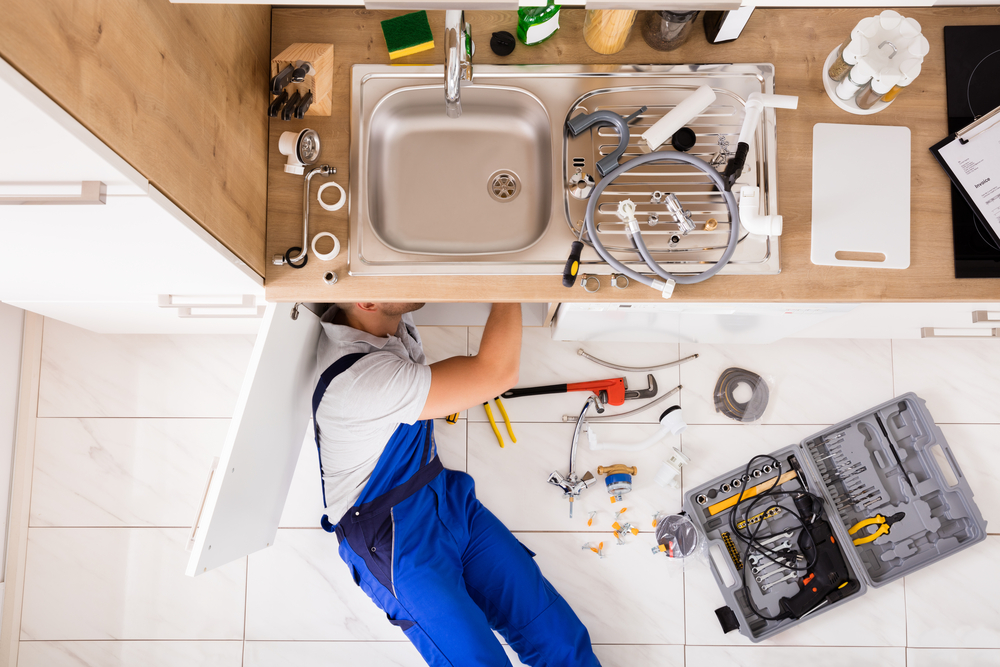
Expert Advice from a Trusted Plumbing Professional
Discovering a water leak in your home can be stressful. Whether it’s a minor drip under the sink or water pooling on the floor, leaks can lead to significant damage if not handled promptly. The good news? Knowing what steps to take can protect your home, save you money, and prevent unnecessary damage.
In this blog post, we’ll walk you through what to do if you have a water leak, how to identify the source, when to call a plumber, and how to prevent future issues.
Step 1: Stay Calm and Act Quickly
First things first—don’t panic. Even small leaks can escalate quickly, so acting fast is key. As soon as you spot signs of a leak, such as:
- Damp spots on walls or ceilings
- An unexpected rise in your water bill
- A musty smell or mold growth
- The sound of running water when all fixtures are off
Step 2: Turn Off the Water Supply
The very first step when dealing with any water leak is to shut off the water supply. This helps prevent more water from escaping and worsening the damage.
- For a leaking appliance (like a washing machine or dishwasher), look for the shut-off valve directly behind the unit.
- For a sink or toilet leak, turn the valve under the fixture.
- For major or hidden leaks, shut off the main water supply to your home. This is usually located near the water meter, often in a basement, garage, or outside near the curb.
Tip: Teach everyone in your home where the main shut-off valve is and how to use it—this knowledge can save thousands in damage.
Step 3: Address Any Electrical Hazards
If the leak is near electrical outlets, appliances, or wiring, turn off the power in that area at your breaker box. Water and electricity are a dangerous combination, and it’s better to be safe.
Avoid using any appliances in the affected area until you’re certain it’s safe.
Step 4: Identify the Source of the Leak
Once the immediate threat is under control, try to locate where the water is coming from. Some common sources of water leaks include:
- Toilets and faucets
- Washing machine hoses
- Water heaters
- Dishwashers
- Pipes under sinks
- Ceiling or roof leaks (which could indicate an upstairs plumbing issue or roof damage)
Sometimes, the source isn’t obvious. Water can travel along beams or pipes and show up in unexpected places. If you’re not sure, that’s a clear sign you need a professional inspection.
Step 5: Mitigate Water Damage
Start drying out the area as soon as possible:
- Use towels, mops, and wet/dry vacuums to remove standing water.
- Set up fans and dehumidifiers to speed up drying.
- Open windows and doors if the weather allows for ventilation.
The faster you dry out the area, the lower your risk of mold growth and structural damage.
Step 6: Document the Damage
If you plan to file a claim with your homeowner’s insurance, take photos and videos of the leak and any damage. Document everything, including:
- The affected areas
- Any damaged furniture, flooring, or electronics
- The condition before and after drying efforts
Step 7: Call a Licensed Plumber
While some minor leaks (like a dripping faucet or loose hose) may be DIY-friendly, many water leaks require professional repair. A licensed plumber has the tools and expertise to:
- Find the source of hidden leaks (using thermal imaging or moisture meters)
- Replace damaged pipes or fittings
- Ensure the issue is fully resolved—not just patched
Even if you think you’ve stopped the leak, an inspection can confirm there’s no hidden water or further risk.
Why Prompt Action Matters
Delaying plumbing repairs can cause long-term issues like:
- Mold and mildew
- Warped flooring or drywall damage
- Structural rot
- Increased utility bills
- Health problems due to poor air quality
The faster you act, the more you save—and the less stressful the experience will be.
Preventing Future Leaks
While some leaks are unpredictable, many are preventable. Here’s how to protect your home going forward:
1. Schedule Regular Plumbing Inspections
Having a licensed plumber inspect your system annually can catch small issues before they become big problems.
2. Replace Old Pipes and Fixtures
Pipes and fittings wear down over time. If your home is more than 20–30 years old, consider repiping or upgrading outdated fixtures.
3. Install Water Leak Detectors
Smart leak detectors can alert you to leaks in real time—even when you’re not home.
4. Insulate Pipes During Winter
If you live in a cold climate, insulate exposed pipes to prevent freezing and bursting.
5. Avoid Chemical Drain Cleaners
These can corrode pipes and create future leak points. Instead, use mechanical methods or enzyme-based cleaners.
Signs of Hidden Water Leaks
Not all leaks are obvious. Watch for these subtle signs that could indicate a hidden plumbing issue:
- Unexplained spikes in your water bill
- Reduced water pressure
- Wall paint bubbling or peeling
- Discolored or sagging ceilings
- A persistent musty odor
When to Call an Emergency Plumber
Some leaks require immediate attention. Call an emergency plumber if:
- The leak is flooding your home
- The leak is near electrical wiring
- The main water line is broken
- You can’t locate or stop the leak
- There’s a sewer smell or backup involved
Emergency plumbers are available 24/7 for these high-risk situations. Don’t wait—acting quickly can prevent a disaster.
Need Help Now? Contact Prime Flow Plumbing Today!
Whether it’s a small drip or a major emergency, we’re available to fix it fast. Call us at 801-462-4113 or request service here.
Don’t wait for water damage to add up—let us handle it so you can get back to what matters most.