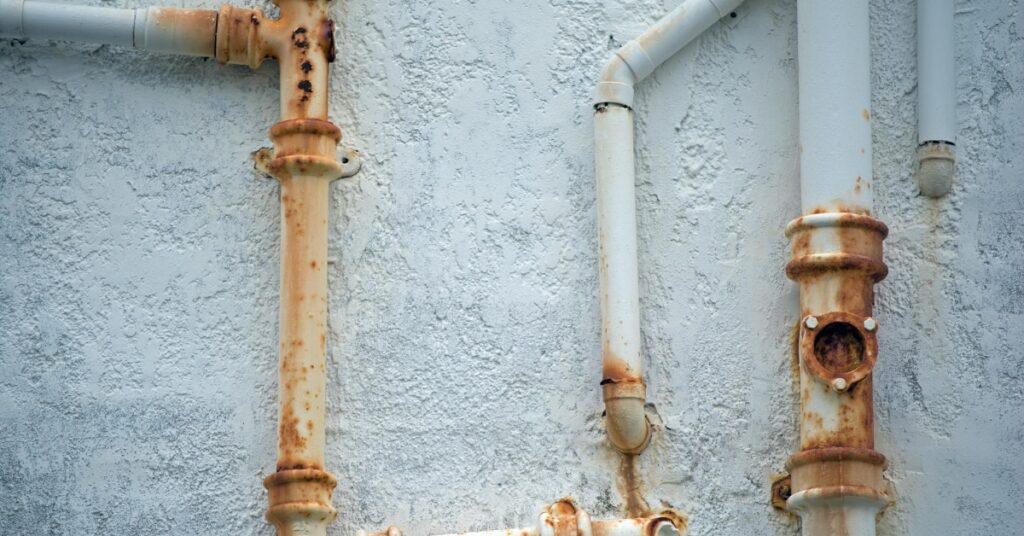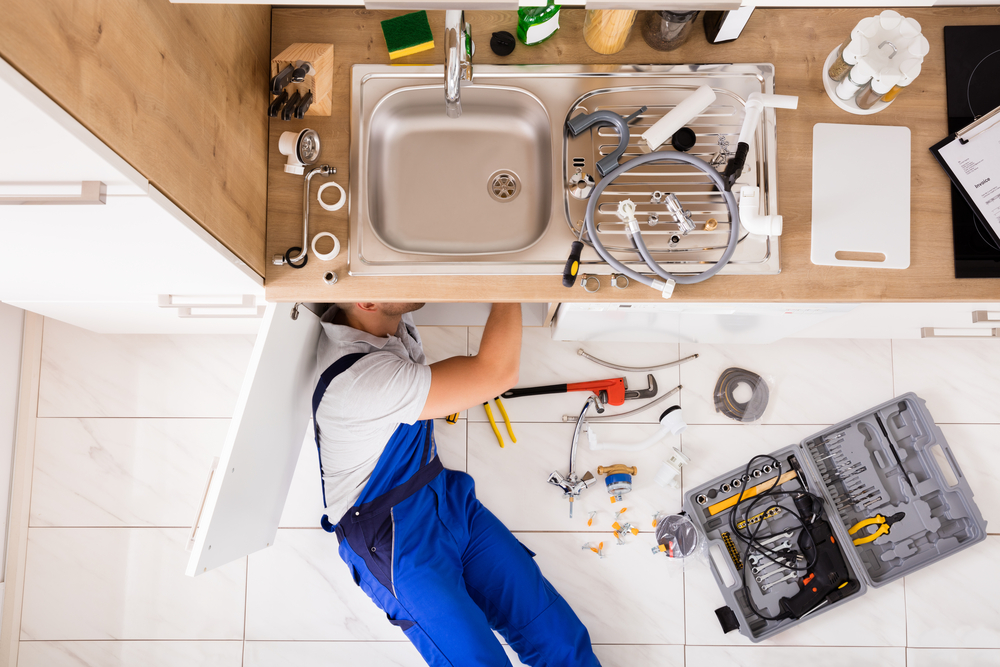
When most people think about home improvements, they envision new flooring, fresh paint, or upgraded countertops. However, one area that is often overlooked is the plumbing system. Many homeowners in Draper, Sandy, South Jordan, and surrounding areas tend to forget about their pipes until a leak or clog forces their attention, but the real threat is not always a visible problem. Outdated pipes made from materials like galvanized steel, lead, or polybutylene can significantly impact water quality, posing hidden health risks to your family.
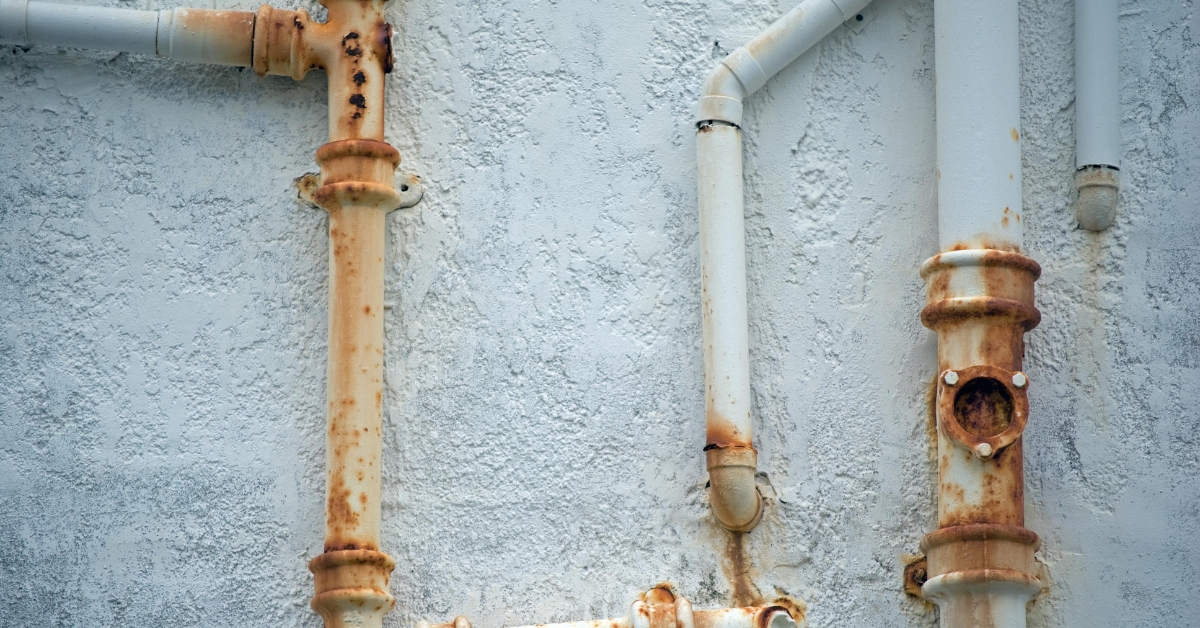
In this article, we’ll explore the dangers of old plumbing, the health risks associated with materials commonly used in older pipes, and how to detect if your plumbing system needs an upgrade. We’ll also discuss how Prime Flow Plumbing can assist in replacing outdated pipes to ensure your water quality remains safe and clean.
Why Outdated Plumbing Poses Health Risks
Many of us take clean water for granted, trusting that the water from our faucets is safe to drink and use. However, the reality is that aging pipes can cause serious contamination of the water supply. As materials in older pipes break down over time, they can leach harmful substances into your water, affecting its quality. These issues are often gradual and difficult to detect without proper inspection. Many homeowners don’t realize the danger until significant damage has already been done.
If your home was built before the 1980s, there’s a good chance it may have plumbing made from materials that are now known to pose serious health risks. Even if your pipes appear to be functioning properly, the long-term effects of aging materials can compromise your family’s health. It’s essential to understand the potential hazards associated with common old plumbing materials like galvanized steel, lead, and polybutylene.
Galvanized Steel Pipes: Corrosion and Contamination
Galvanized steel pipes were once a popular choice for residential plumbing because of their durability and strength. These pipes were coated with a layer of zinc to prevent rusting. Over time, however, the zinc coating wears off, and the pipes begin to corrode from the inside out. This corrosion can lead to serious problems, both in terms of water flow and water quality.
Health Risks of Galvanized Steel Pipes:
- Rust and Corrosion: As galvanized steel pipes corrode, rust builds up inside them. This not only restricts water flow, leading to lower water pressure, but also introduces rust particles into your drinking water. While these particles aren’t usually harmful in small amounts, they can alter the taste and appearance of your water, making it unappealing to drink.
- Lead Contamination: Galvanized steel pipes can also contain lead in their fittings or in the corrosion itself. Lead is a highly toxic substance, especially for children and pregnant women. Even small amounts of lead can cause developmental issues, cognitive impairments, and even organ damage. The long-term ingestion of lead-contaminated water can be devastating for young children, affecting their growth, IQ, and overall health.
- Bacterial Growth: Rust and corrosion in the pipes create a breeding ground for bacteria, which can thrive in the wet, dark environment. These bacteria can potentially contaminate your water, especially in stagnant or leaking systems. Regular pipe inspections can help catch problems early..
If your home is equipped with galvanized steel pipes, especially if they were installed more than 50 years ago, it’s critical to consider replacing them to protect your family from these potential health hazards.
Lead Pipes: A Silent, Invisible Threat
Lead pipes were once a common material used in plumbing systems due to their durability and resistance to corrosion. However, as the dangers of lead exposure became more widely known, the use of lead in plumbing systems was banned in 1986. Despite this, many homes built before the 1980s still have lead pipes, which can silently and invisibly affect the water quality.
Health Risks of Lead Pipes:
- Lead Poisoning: The most significant health risk posed by lead pipes is lead poisoning. As lead pipes corrode over time, lead particles can enter the water supply. Consuming lead-contaminated water is particularly harmful to children, as it can cause developmental delays, learning difficulties, and decreased IQ. In adults, lead exposure can lead to high blood pressure, kidney damage, and reproductive issues.
- Neurological Damage: Chronic exposure to lead, even in small amounts, can have devastating effects on the nervous system. In children, lead poisoning can result in long-term developmental delays, speech difficulties, and behavioral problems. In adults, it can cause memory loss and affect cognitive function.
- Accumulative Effects: One of the dangers of lead exposure is that it builds up over time. Even if your water doesn’t appear to be contaminated with lead at the moment, small, cumulative exposure over months and years can result in significant health problems down the road.
If your home is older and you suspect it may have lead pipes, If you suspect lead pipes, it is crucial to replace them immediately and consider installing water purification systems to reduce risk while you upgrade.
Polybutylene Pipes: Fragile and Prone to Failure
Polybutylene pipes were used extensively in residential plumbing systems from the late 1970s through the 1990s because they were inexpensive, lightweight, and easy to install. However, these pipes have a major flaw: they degrade over time, especially when exposed to chlorine in the water supply. As polybutylene pipes age, they become brittle, crack, and eventually fail, causing leaks and water damage.
Health Risks of Polybutylene Pipes:
- Chemical Contamination: As polybutylene pipes degrade, they can release chemicals into the water. While these chemicals may not immediately cause illness, long-term exposure can lead to health issues. Some research suggests that the chemicals released by polybutylene pipes may cause headaches, nausea, and gastrointestinal issues in some people.
- Water Contamination: Polybutylene pipes are more likely to develop cracks and leaks over time, leading to water contamination. These pipes are also prone to failure when exposed to fluctuating water temperatures and chlorine, which can weaken the material. Leaks in the plumbing system can lead to water damage, mold growth, and increased risk of bacteria and other contaminants entering your water supply.
- Leaks and Flooding: The brittleness of polybutylene pipes makes them prone to bursts and leaks. These leaks can cause water damage to your home, potentially leading to expensive repairs and long-term damage to your property. The flooding caused by broken pipes can also create ideal conditions for mold and mildew, which further complicates the health risks of outdated plumbing.
If your home still has polybutylene pipes, replacing them as soon as possible is vital to avoid water contamination and damage.
Signs That Your Pipes Are Outdated
Recognizing the signs of outdated plumbing is key to preventing health risks and damage to your home. Here are a few warning signs that your pipes may need to be replaced:
- Low Water Pressure: If you notice a significant decrease in water pressure, it could be a sign that your pipes are corroding or blocked by rust and debris. This is especially common in homes with galvanized steel or polybutylene pipes.
- Discolored Water: Brown or yellow water is often a sign that your pipes are rusting and that corrosion has made its way into your water supply. This discoloration is a clear indicator that your pipes are deteriorating and that you should replace them.
- Frequent Leaks: If you experience frequent leaks or pipe bursts, it could be due to aging, brittle materials like polybutylene. Continuous leaks can also lead to water damage, mold growth, and contamination of your water supply.
- Loud Noises: If you hear banging or clanking sounds in your pipes, it may indicate that your pipes are experiencing pressure build-up due to blockages or rust. These sounds can often signal a need for immediate repairs or replacement.
If you notice any of these issues, it’s essential to have your plumbing inspected by a professional plumber. Early detection of pipe deterioration can save you money on repairs and prevent health risks caused by contaminated water.
Prime Flow Plumbing: Protecting Your Home and Health
At Prime Flow Plumbing, we understand the importance of clean, safe water in communities throughout Utah County and Salt Lake County. That’s why we specialize in replacing outdated plumbing systems and installing modern, reliable pipes that prioritize water quality and your family’s safety. Our team is highly experienced in working with a variety of plumbing materials and can help you upgrade your system to prevent health risks related to old plumbing.
If you have galvanized steel, lead, or polybutylene pipes in your home, don’t wait until they cause damage or health issues. Contact us today to schedule a consultation, and we’ll assess the condition of your plumbing system. We’ll work with you to find the best solution for replacing outdated pipes and ensuring that your home is safe and equipped with a modern, efficient plumbing system.
Don’t Let Outdated Plumbing Endanger Your Health
The health risks of old plumbing are real and should not be ignored. Materials like galvanized steel, lead, and polybutylene are no longer considered safe for use in modern homes, and leaving these pipes in place can expose you and your family to serious health hazards. If your plumbing system is outdated, replacing it with safer materials is the best way to protect your water quality and ensure your family’s health. Don’t wait for a leak, contamination, or water damage to prompt action. Contact Prime Flow Plumbing to schedule an inspection of your plumbing system today. Our team is here to help you upgrade your pipes and eliminate the health risks of old plumbing once and for all.