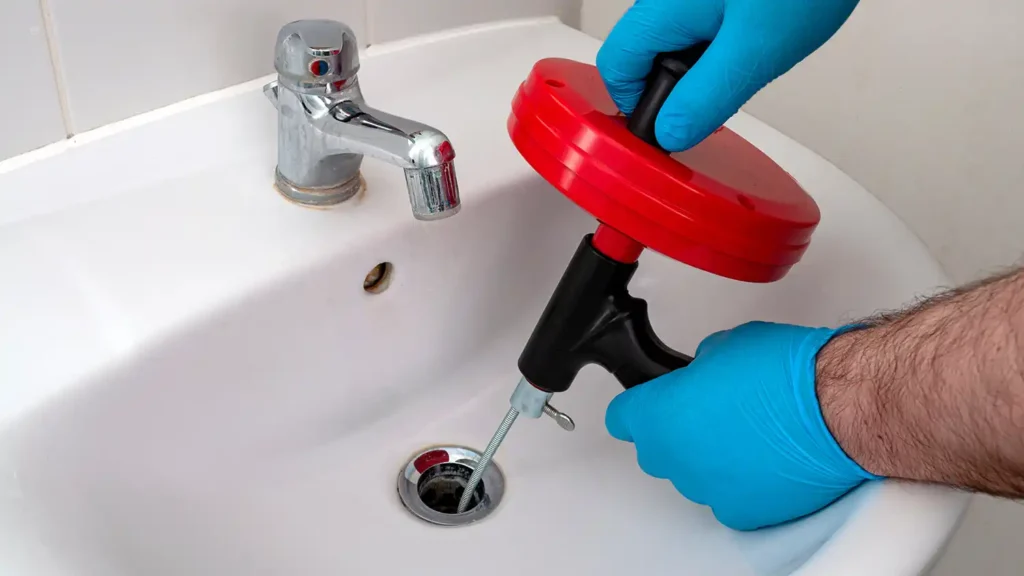
Every homeowner encounters a slow drain eventually. Maybe it’s the bathroom sink taking five minutes to empty after brushing your teeth, or the kitchen sink holding an inch of murky water after washing dinner dishes. While it’s easy to reach for a quick fix at the hardware store, persistent or recurring clogs are often signs of deeper issues inside your plumbing network. Knowing when to tackle a minor clog yourself, and when to bring in professionals for drain cleaning in Utah, can save you time, money, and severe pipe damage down the road.
Why Utah Drains Suffer Unique Stressors
Living in Utah comes with unique environmental and soil conditions that impact residential plumbing differently than in other regions of the country.
- Hard Water Mineral Buildup: Utah is known for high mineral concentrations in its water supply, particularly calcium and magnesium. Over time, these minerals form scale along the interior walls of your pipes. This scale roughens the surface, giving grease, hair, and soap scum an easy anchor point to build up into stubborn clogs that may require professional drain cleaning.
- Mature Tree Root Intrusion: Many established Utah neighborhoods boast beautiful, mature trees. During dry seasons, tree roots aggressively search for underground moisture, often finding tiny hairline fractures or loose joints in underground sewer lines. Once inside, roots grow quickly, catching debris and causing major sewer backups.
- Extreme Seasonal Temperature Shifts: Frozen soil during winter causes the ground to shift, put pressure on underground pipes, and trap debris in lines that may have settled or bellied over time.
Early Warning Signs You Need Professional Drain Cleaning in Utah
Most severe plumbing backups don’t happen out of nowhere; they build up over weeks or months. Keep an eye out for these early indicators:
- Slow-Draining Fixtures: Water pools around your feet in the shower or sits in the sink long after the tap is off.
- Gurgling Sounds: Hearing a bubbling or gurgling noise from your toilet or drain when running water nearby usually means air is trapped behind an impending blockage.
- Foul Odors: Persistent sour or sewage smells coming from drain openings signal decomposing organic matter or gas venting back up through dry/clogged traps.
- Multiple Clogged Fixtures: If using your washing machine causes water to back up into your shower drain, the issue is likely deeper in your main branch line or sewer line rather than a single sink trap.
Common DIY Drain Cleaning Mistakes
When faced with a clogged sink, many homeowners unknowingly make decisions that shorten the lifespan of their pipes:
- The Chemical Cleaner Trap: Pouring harsh, caustic chemical drain openers down your pipes might offer a brief temporary fix, but the active chemicals create intense heat. Over time, this chemical reaction can warp PVC pipes, corrode older metal lines, and fail to remove heavy roots or scale buildup.
- Using the Wrong Plunger Type: Cup plungers work best for flat surfaces like sinks, while flange plungers are designed specifically for toilet bowls to form a proper seal.
- Over-Forcing a Store-Bought Drain Snake: Inexperienced use of a hand auger can scratch fixture porcelain, puncture fragile pipes, or push the blockage further down the line, turning a simple job into a major repair.
How Professional Drain Cleaning Works
When simple home methods fail, professional plumbing equipment clears blockages safely and thoroughly without damaging your plumbing system.
| Method | Best Used For | Primary Benefit |
| Video Camera Inspection | Pinpointing exact clog location, structural damage, or tree roots. | Eliminates guesswork by inspecting pipe conditions in real time. |
| Motorized Drain Snaking | Breaking up physical blockages like paper jams, hair, or small debris. | Quickly restores flow for localized branch line clogs. |
| Hydro-Jetting | Heavy grease, mineral scale buildup, and tree root clearing. | Scours pipe walls completely clean using high-pressure water streams. |
Preventive Steps for Healthy Pipes
Preventing clogs is always easier than dealing with an emergency overflow. Integrate these simple daily habits to keep your system running smoothly:
- Use Drain Strainers: Install mesh strainers over bathroom and kitchen drains to catch hair, soap debris, and food particles before they enter your pipes.
- Dispose of Fat, Oil, and Grease (FOG) Properly: Never pour cooking oil or bacon grease down the kitchen sink—even with hot water or soap. Liquid fat cools inside your pipes, solidifying into thick blockages.
- Mind What Goes Down the Garbage Disposal: Avoid stringy vegetables (like celery), starchy scraps (potato peels, rice, pasta), coffee grounds, and eggshells, which turn into paste inside your lines.
- Schedule Annual Maintenance Inspections: Having your drains cleared and inspected periodically keeps small mineral deposits or root intrusions from evolving into full main line failures.
Keep Your Plumbing Flowing Free
Ignoring a slow drain often leads to messy backups, unexpected emergency costs, and unwanted stress. By recognizing the warning signs early and using the right maintenance habits, you can keep your home’s plumbing in top shape year-round.
If you’re dealing with stubborn clogs, gurgling pipes, or slow drains that refuse to clear, the team at Prime Flow Plumbing is here to help. Contact us today to schedule a professional drain cleaning inspection and restore smooth, worry-free drainage to your home.