Early Leak Detection Saves Thousands
Plumbing leaks are among the most expensive and destructive issues a homeowner can face—and the most dangerous ones are often invisible. A slow leak behind a wall, under a slab, or in the yard can silently compromise wood framing, drywall, flooring, and indoor air quality. In Utah, these risks are amplified. Hard water in Utah Valley leaves mineral deposits that weaken pipes, cold winters in Salt Lake and Utah counties cause freeze–thaw stress, and shifting soils in areas like Draper and Lehi strain underground lines.
Early leak detection in Utah is critical. Catching hidden leaks quickly not only saves thousands in repair costs but also protects your water bills, your family’s health, and your home’s long-term value. This article provides a detailed guide on spotting leaks, using DIY tests, understanding when to call a professional, and avoiding the costly consequences of inaction.
Why Hidden Plumbing Leaks Are So Dangerous
Hidden leaks develop gradually, often going unnoticed until major damage occurs.
Structural Damage
Continuous water exposure can warp wood framing, compromise drywall, and even weaken foundation slabs.
Mold and Mildew Growth
Moisture behind walls or under flooring provides the perfect environment for mold. Mold exposure can lead to respiratory issues and aggravate allergies.
Financial Consequences
Even small leaks waste thousands of gallons of water annually, potentially adding $20–$50 to monthly water bills. Repair costs escalate quickly if leaks go undetected.
Utah-Specific Risks
- Hard water deposits can corrode pipes and reduce fixture lifespan.
- Freeze–thaw cycles can crack or burst pipes during Utah winters.
- Shifting soil stresses underground water lines, especially in areas like Draper and Lehi.
Signs You Might Have a Hidden Leak
Awareness is key to catching leaks early. Watch for these common signs in Utah homes:
Yard Issues: Outdoor leaks may appear as soggy patches, unevenly green grass, muddy areas, or sunken spots in your lawn.
Unexplained Water Bill Increases: Even small leaks can waste over 10,000 gallons of water per year. Compare your water bills month-to-month for unusual spikes.
Water Meter Test:
- Turn off all indoor and outdoor water sources.
- Record the meter reading.
- Wait 30–60 minutes.
- Recheck the meter—any change indicates a leak.
Unusual Water Sounds: Listen for dripping, hissing, gurgling, or running water behind walls, floors, or ceilings.
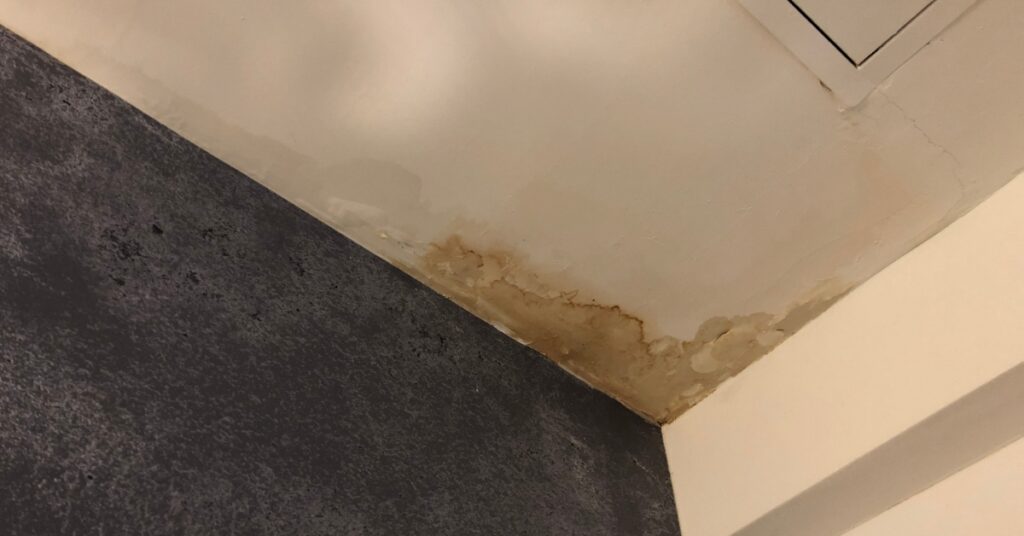
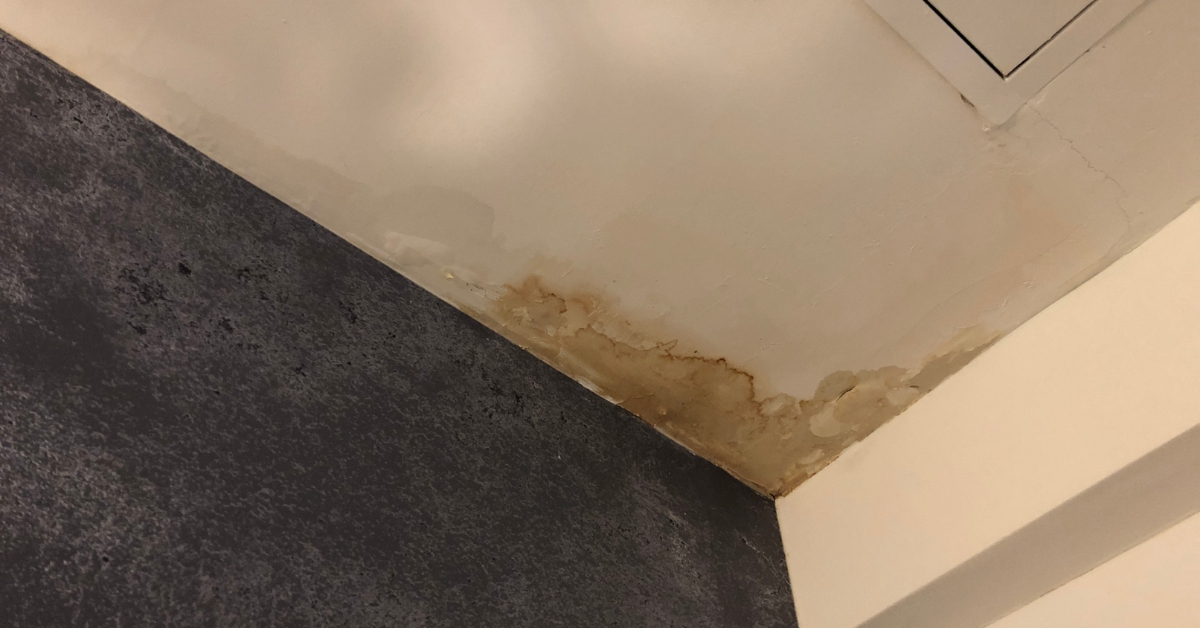
Visible Moisture Clues: Look for damp patches, peeling paint, warped drywall, buckled floors, cracked grout, or persistent moisture under sinks.
Mold, Mildew, or Musty Odors: Even in Utah’s dry climate, musty smells in basements, bathrooms, or closets are a strong warning sign of hidden moisture.
Low or Inconsistent Water Pressure: Whole-home drops in water pressure often indicate a main line or supply line leak.
Simple DIY Leak Detection Tips
While DIY methods won’t replace professional equipment, they can help catch leaks early:
- Toilet Dye Test: Add food coloring to the tank. If color appears in the bowl without flushing, the flapper is leaking, which can waste hundreds of gallons of water annually.
- Paper Towel Test: Place towels under sinks or near appliances and check for dampness later. This can reveal slow leaks before they cause structural damage.
- Shower and Wall Check: Run water and feel walls, floors, and baseboards near plumbing for hidden moisture, which may indicate leaks behind tiles or drywall.
- Appliance Inspection: Look behind dishwashers, washing machines, and refrigerators for water stains, corrosion, or damp areas. Early detection prevents water damage and appliance failure.
When to Call a Professional Plumbing Service
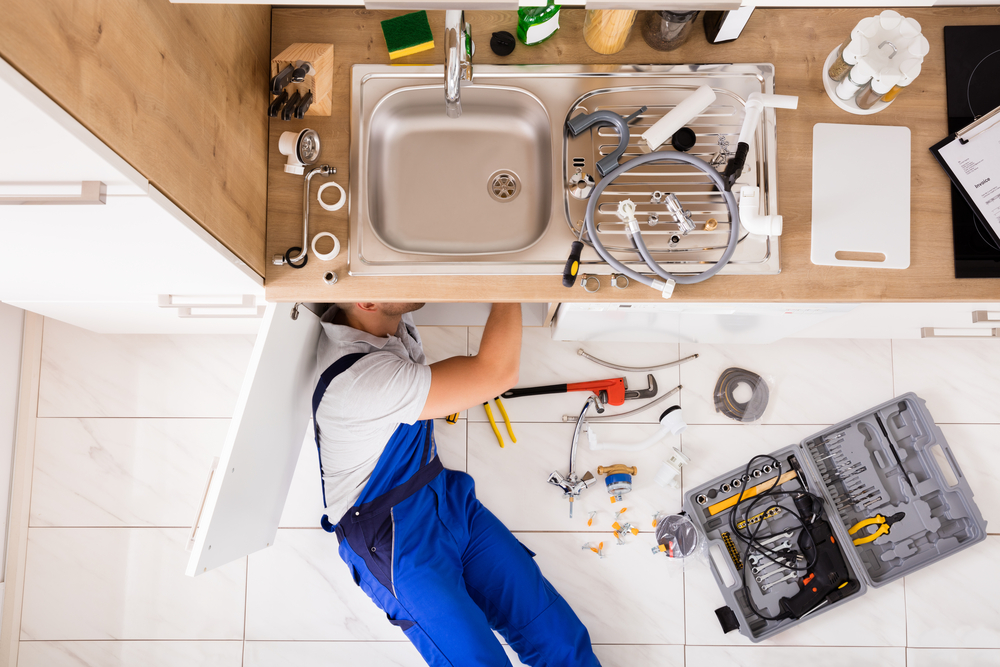
Some leaks are impossible to detect without specialized tools. Professionals use:
- Acoustic Listening Equipment: Detects water movement within walls or under floors, identifying leaks that are completely hidden.
- Infrared Thermal Cameras: Spot temperature changes caused by moisture, allowing precise detection without tearing out walls or floors.
- Moisture Meters: Measure dampness in materials to confirm the presence of water and locate its source.
- Pressure Testing: Isolates failing pipe sections and confirms the integrity of the water system.
Why Early Leak Detection Pays Off
Early detection provides multiple benefits:
- Prevents costly water damage repairs
- Protects home value in Utah’s competitive real estate market
- Keeps water bills manageable
- Safeguards indoor air quality and family health
Homeowners here face unique risks—mineral buildup, cold winters, and shifting soil—making proactive leak detection essential in Utah.
FAQs
How often should I check for hidden leaks?
At least once a year or whenever your water bill rises unexpectedly. Seasonal changes, especially Utah’s freezing winters and hot summers, can stress pipes and increase the likelihood of leaks. Regular inspections help catch issues before they cause serious damage.
Can I fix a hidden leak myself?
Small leaks, like a loose faucet or minor toilet flapper issue, may be manageable with basic DIY repairs. However, most hidden leaks—especially those behind walls, under slabs, or in yard lines—require professional detection and repair to prevent further damage and ensure your plumbing system remains safe.
What tools do professionals use?
Acoustic listening devices, infrared cameras, moisture meters, and pressure testing tools allow professionals to detect leaks without unnecessary demolition. These tools can pinpoint even the smallest leaks, saving time, money, and reducing the risk of structural damage.
Can regular maintenance prevent leaks?
Yes, preventive inspections and timely repairs significantly reduce the risk of hidden water damage. Maintaining water pressure, checking connections, and servicing appliances like water heaters and softeners also helps extend the lifespan of your plumbing system.
Key Takeaways
- Hidden leaks can cause structural damage, mold growth, and higher water bills.
- Early detection saves thousands in repair costs and protects property value.
- DIY methods can help detect some leaks, but professionals have specialized equipment for precise detection.
- Utah-specific conditions like hard water, freezing winters, and shifting soil increase leak risks.
- Regular inspections prevent small problems from turning into major damage.
Protect Your Home with Early Leak Detection
Hidden leaks can quietly compromise your home, from structural damage to higher water bills and even mold growth. By paying attention to early warning signs and acting promptly—whether through simple DIY checks or professional inspection—you can prevent costly repairs and protect your family’s health. For homeowners in Utah County, Salt Lake County, and other nearby counties, Prime Flow Plumbing and Remodeling offers expert leak detection services to help you safeguard your property. Taking action today ensures peace of mind and long-term savings.