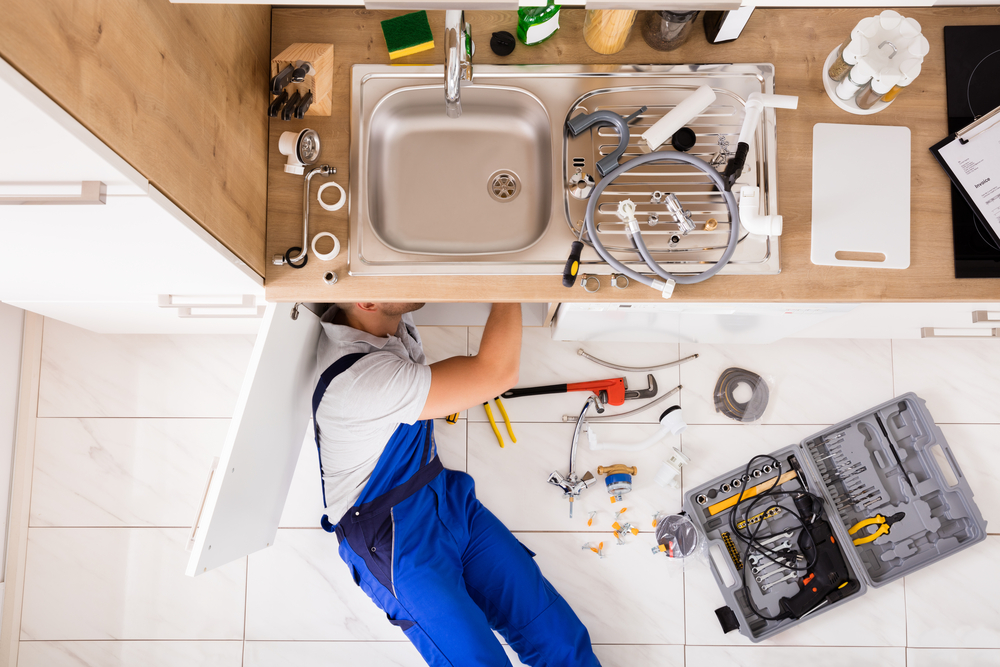
Water leaks are one of the most common plumbing issues homeowners face — and some of the most damaging. While visible leaks under sinks or around faucets are easy to spot, hidden leaks are much trickier. They can occur behind walls, under floors, or even beneath your home’s foundation.
These leaks may go unnoticed for weeks or even months, quietly causing water damage, structural issues, mold growth, and higher water bills. The longer they’re left unresolved, the more expensive the repairs become.
Fortunately, there are ways to detect hidden leaks early and prevent serious damage. In this guide, we’ll cover the most common warning signs, detection methods, repair options, and preventive measures every homeowner should know.
Why Hidden Leaks Are a Big Problem
Unlike a dripping faucet that’s easy to spot, hidden leaks cause damage silently over time. Some of the most serious consequences include:
- Structural Damage – Water can weaken drywall, flooring, and wooden beams.
- Mold and Mildew Growth – Excess moisture creates a breeding ground for harmful mold.
- Health Concerns – Mold spores can trigger allergies, asthma, and respiratory issues.
- Increased Utility Bills – Even a small leak can waste hundreds of gallons of water per month.
- Foundation Damage – Slab leaks under the foundation can cause cracks and instability in the structure of your home.
Catching leaks early can save you thousands of dollars in repairs and protect your home’s long-term value.
Signs You May Have a Hidden Leak
Since hidden leaks are often out of sight, it’s important to recognize the warning signs:
- Unexplained high water bills – If your water bill suddenly spikes, a hidden leak may be to blame.
- Water stains or discoloration – Brown, yellow, or dark patches on ceilings, walls, or floors signal moisture damage.
- Musty odors – A persistent damp smell usually means water is trapped behind walls or under flooring.
- Peeling paint or bubbling wallpaper – Water loosens adhesives, causing bubbling or flaking.
- Warped or sagging flooring – Tiles may lift, wood may warp, and carpets may feel damp.
- Unusual sounds – Hearing dripping, hissing, or running water when no fixtures are in use is a strong indicator.
The sooner you recognize these clues, the sooner you can take action.
How to Detect Hidden Leaks
While some leaks are easy to spot, others require testing or professional tools. Here are the best methods:
1. Monitor Your Water Meter
Turn off all water fixtures and appliances in your home, then check your water meter. If it’s still moving, water is leaking somewhere in your system.
2. Toilet Dye Test
Toilets are one of the most common culprits. Drop food coloring into the toilet tank and wait 10–15 minutes. If color appears in the bowl without flushing, you have a leak.
3. Inspect Around Appliances
Look for puddles, rust, or condensation around water heaters, dishwashers, refrigerators with ice makers, and washing machines.
4. Use Moisture Detection Tools
Affordable moisture meters are available for homeowners, but plumbers often use advanced tools like thermal imaging cameras, acoustic leak detectors, and pipe inspection cameras to pinpoint leaks.
5. Check Your Water Pressure
A sudden drop in water pressure throughout your home may signal a leak in your main supply line.
How to Repair Hidden Leaks
The right repair depends on the size, location, and severity of the leak.
DIY Fixes (For Minor Leaks)
If the leak is visible and accessible, you may be able to:
- Tighten loose pipe fittings with a wrench
- Replace worn-out washers, seals, or gaskets
- Use plumber’s tape (Teflon tape) to secure threaded joints
- Apply pipe repair clamps or epoxy putty as a temporary solution
⚠️ Important: These fixes are temporary. For long-term solutions, call a professional plumber.
Professional Leak Repairs
Licensed plumbers have the tools and expertise to repair leaks hidden behind walls, under floors, or underground. Common methods include:
- Pipe replacement – Removing and replacing damaged sections
- Pipe relining/epoxy coating – Sealing cracks without removing pipes
- Slab leak repair – Specialized methods to fix leaks under foundations
- Wall and drywall repair – Carefully cutting into walls to access and replace leaking pipes
How to Prevent Hidden Leaks
Prevention is always better than repair. Here are some tips to protect your plumbing system:
- Schedule plumbing inspections every 1–2 years to catch issues early
- Replace old or corroded pipes before they fail (especially galvanized steel or polybutylene)
- Install a water pressure regulator — high pressure puts stress on pipes and fittings
- Insulate pipes in colder climates to prevent freezing and bursting
- Invest in a smart leak detection system — modern systems alert you to leaks and can even shut off the water supply automatically
Final Thoughts
Hidden plumbing leaks are one of the biggest threats to your home’s structure, safety, and budget. The key to minimizing damage is early detection and professional repair. By learning the warning signs, monitoring your water usage, and scheduling regular plumbing inspections, you can protect your home from costly water damage.
If you suspect a hidden leak, don’t wait. Call us right away to detect and repair the problem before it grows. A little preventative action today can save you thousands in repairs tomorrow!