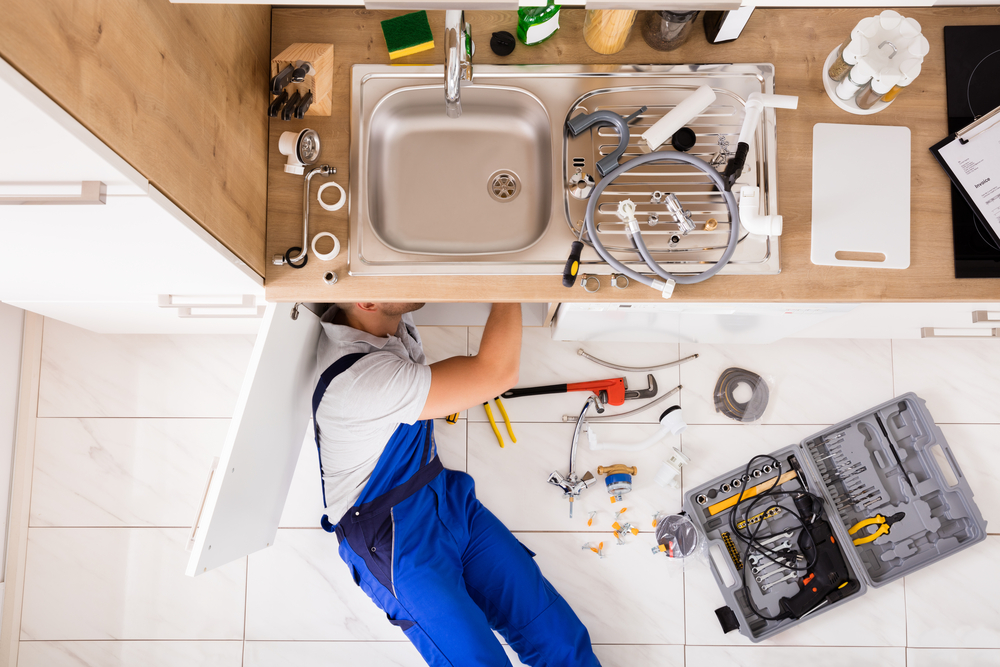
Pro Tips from a Trusted Local Plumbing Expert
Winter brings snow, chilly temperatures—and unfortunately, the risk of frozen pipes. When water inside your plumbing system freezes, it expands, which can cause pipes to crack or burst, leading to major water damage and expensive repairs.
The good news? Frozen pipes are entirely preventable with the right preparation and maintenance. Whether you live in a cold region or occasionally face below-freezing temperatures, this guide will walk you through everything you need to know to protect your home.
Why Are Frozen Pipes a Big Deal?
When water freezes inside your pipes, it expands and puts enormous pressure on the pipe walls—often more than 2,000 PSI. That pressure can cause:
- Cracked or burst pipes
- Flooding and water damage
- Mold growth
- Costly repairs
Even a small pipe crack can leak hundreds of gallons a day. And the damage isn’t always visible right away—hidden leaks behind walls or under floors can escalate before you realize what’s happening.
Which Pipes Are Most at Risk?
Not all pipes are equally vulnerable. The most common trouble spots include:
- Exposed pipes in unheated areas (crawl spaces, attics, garages, basements)
- Exterior wall plumbing, especially if poorly insulated
- Outdoor hose bibs and sprinkler lines
- Pipes in kitchen or bathroom cabinets on exterior walls
If temperatures in your area regularly drop below 32°F (0°C), it’s essential to take preventive measures—especially for these areas.
How to Prevent Frozen Pipes: Step-by-Step
✅ 1. Insulate Exposed Pipes
Use foam pipe insulation sleeves, heat tape, or pipe wrap on all exposed plumbing in unheated areas. This helps keep the temperature around the pipe above freezing.
Tip: For extreme cold, combine insulation with a pipe heating cable or heat tape for added protection.
✅ 2. Seal Cracks and Openings
Cold air can enter your home through gaps around:
- Windows and doors
- Vents and ducts
- Pipe entry points in walls or floors
Use caulk, spray foam, or weather stripping to seal air leaks. Even a small draft can lower the temperature around pipes enough to cause freezing.
✅ 3. Keep Cabinet Doors Open
During cold nights, open cabinet doors in your kitchen and bathroom to let warm air circulate around pipes—especially those located against exterior walls.
Bonus Tip: Remove any harmful cleaning products so children and pets stay safe.
✅ 4. Let Faucets Drip
Allowing a slow, steady drip from a hot and cold tap can relieve pressure inside pipes and prevent freezing.
Why it works:
- Moving water is less likely to freeze
- It relieves pressure in case freezing does occur
Even just a trickle overnight can make a big difference, especially for fixtures along exterior walls.
✅ 5. Disconnect and Drain Outdoor Hoses
Before the first freeze:
- Disconnect garden hoses
- Shut off the water supply to outdoor spigots
- Drain any remaining water from the hose bib
Consider installing a frost-proof outdoor faucet or hose bib cover to reduce future risk.
✅ 6. Keep the Heat On (Even When You’re Away)
If you’re going out of town during winter, never turn your heat off. Set your thermostat to at least 55°F (13°C) to maintain a safe temperature inside your home.
For second homes, cabins, or rental properties, consider installing a smart thermostat and temperature monitor so you can get alerts if indoor temps drop dangerously low.
✅ 7. Add Extra Insulation
If pipes run through poorly insulated areas like attics or crawl spaces, consider upgrading your insulation. Not only does this help with pipes, but it also improves your home’s energy efficiency.
Insulate areas like:
- Basement walls
- Attic floors
- Crawlspace ceilings
- Garage ceilings beneath bathrooms or kitchens
✅ 8. Use Space Heaters Wisely
If a specific area (like a garage or laundry room) gets very cold, use a space heater to maintain safe temps. Just be careful to follow all safety guidelines and never leave heaters unattended or near flammable materials.
What to Do If You Suspect a Frozen Pipe
Even with your best efforts, extreme cold snaps can still cause trouble. If you turn on a faucet and only a trickle comes out, or nothing flows at all, you may have a frozen pipe.
Here’s what to do:
🔎 Step 1: Find the Frozen Section
Start by identifying pipes that are:
- On exterior walls
- In unheated or exposed areas
- Visibly bulging or frosty
🔧 Step 2: Gently Thaw the Pipe
Use gentle, indirect heat to warm the pipe:
- Hair dryer
- Heating pad
- Warm towels
- Space heater (placed at a safe distance)
Never use an open flame, propane torch, or boiling water—it can damage the pipe or cause a fire.
☎ Step 3: Call a Professional If Needed
If you can’t locate the frozen section or suspect a pipe has burst, turn off your main water supply immediately and call a plumber. Quick action can prevent serious water damage.
Signs a Pipe May Have Burst
Sometimes you won’t know a pipe has burst until the thawing begins. Watch for these signs:
- Water pooling on floors or ceilings
- Stains, sagging drywall, or mold
- Unexplained drop in water pressure
- Sounds of dripping or rushing water
- Spike in water bills
Need Help Winterizing Your Plumbing?
Contact us today!
We specialize in cold-weather plumbing prep, inspections, and emergency service. Whether you’re worried about frozen pipes or just want to be proactive, we’ve got your back!