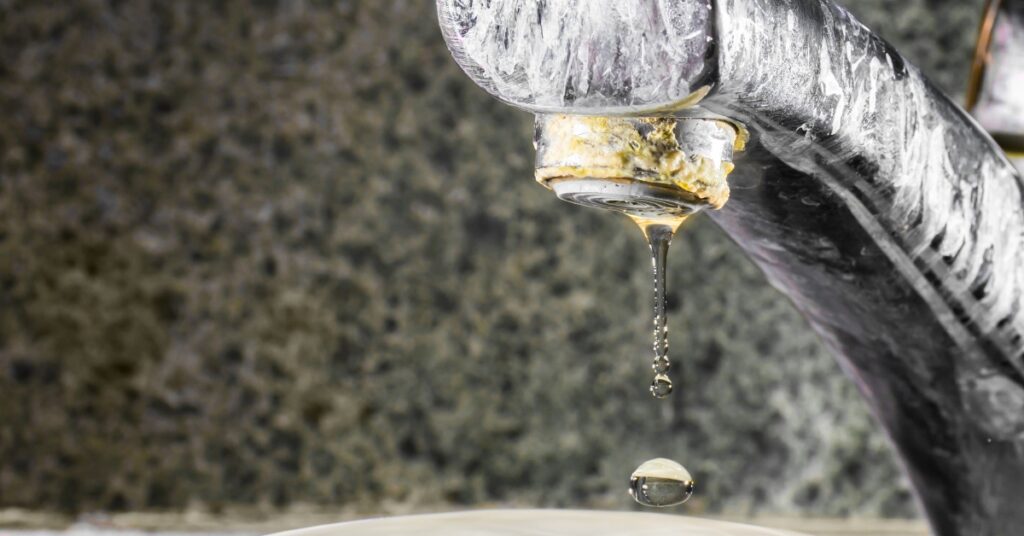
When you turn on your tap, you probably don’t think much about the water that flows from it. You trust that it’s safe to drink, clean for bathing, and good for everyday use. But have you ever stopped to wonder what’s actually in your tap water? From chlorine and sediment to hard minerals, many contaminants are present in municipal and well water systems, affecting everything from your skin to your health.
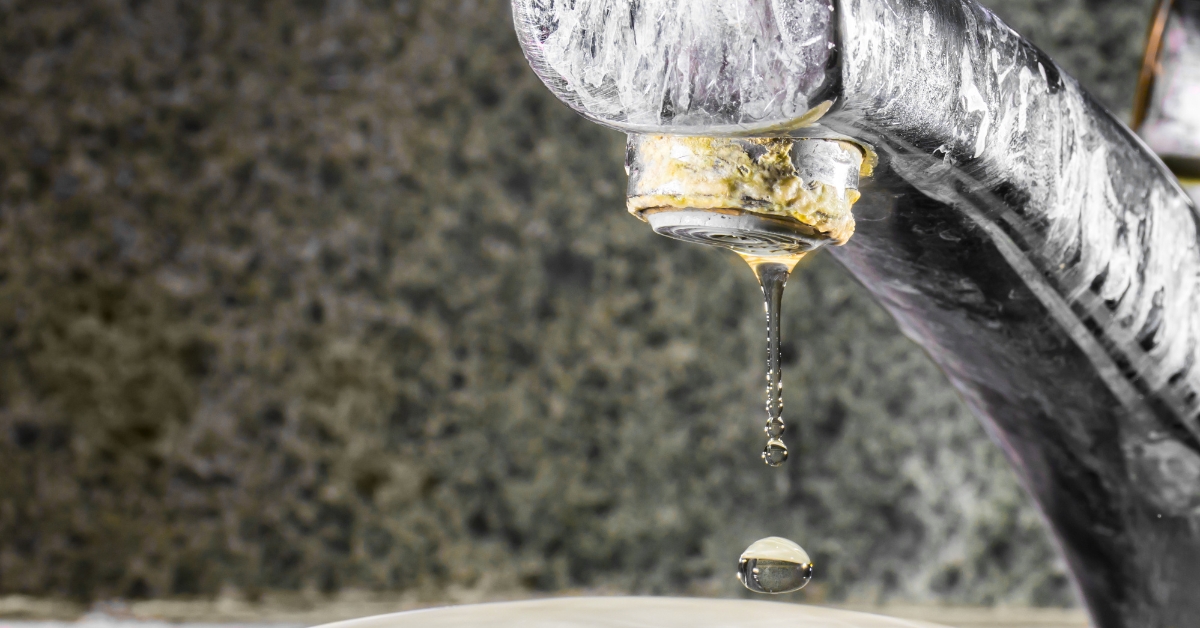
In this article, we’ll take a closer look at the most common water contaminants, their sources, and how they impact your daily life. We’ll also explore how you can address these issues by improving your water quality through water filtration, water softener installation, and repiping services—and how Prime Flow Plumbing can help you maintain clean, healthy water in your home.
Common Contaminants in Your Tap Water
Water quality can vary greatly depending on your location and the materials used in your plumbing system. Two main sources contribute to the contaminants found in your tap water: the municipal water supply and your home’s plumbing. Each can introduce different substances into the water, and understanding what’s in your tap water can help you address potential health risks and improve the overall quality of your water.
Chlorine: A Disinfectant with Side Effects
Chlorine is one of the most common substances used to disinfect municipal water supplies. Its primary role is to kill harmful bacteria, viruses, and other pathogens, ensuring that the water is safe to drink. While chlorine is essential for public health, it can come with a few unwanted side effects.
Chlorine in Your Tap Water:
- Source: Municipal water treatment plants use chlorine to disinfect water before it reaches your home. It’s effective at killing bacteria, but it can also leave behind traces in your water.
- Impact on Health: Although chlorine levels in tap water are typically low and within safe limits, long-term exposure to chlorine can cause various health issues. Chlorine by-products, like trihalomethanes (THMs), have been linked to cancer, reproductive issues, and damage to the liver and kidneys.
- Effect on Skin and Hair: Chlorine can strip your skin of its natural oils, leading to dryness, irritation, and even eczema. It can also damage your hair, making it dry, brittle, and prone to split ends.
To reduce the harmful effects of chlorine, many homeowners opt to install water filters or treatment systems to remove chlorine and its by-products from their tap water.
Sediment: Tiny Particles, Big Problems
Sediment is another common contaminant found in tap water. It consists of tiny particles, like dirt, sand, and rust, that can make their way into your water supply. These particles often originate from the water source or from the degradation of old plumbing materials.
Sediment in Your Tap Water:
- Source: Sediment can enter your water supply through various means. In municipal water systems, sediment can come from the source water (rivers, lakes, or reservoirs) or from the pipes themselves. Older pipes, particularly those made from galvanized steel or cast iron, are prone to corrosion, which can release rust and debris into the water.
- Impact on Health: While sediment itself isn’t usually harmful in small quantities, it can affect the taste and appearance of your water. In larger amounts, sediment can lead to blockages in your plumbing system, reducing water flow and causing expensive repairs.
- Effect on Skin and Hair: Sediment in your tap water can lead to dryness and irritation when it comes into contact with your skin. Over time, the buildup of sediment can cause clogged pores, contributing to acne or other skin conditions. For your hair, sediment can make it feel dull, heavy, and difficult to manage.
To minimize the presence of sediment, you may need to install a sediment filter or replace outdated plumbing pipes that are prone to corrosion.
Hard Water: Minerals That Stick Around
Hard water is another common issue in many households. It contains high levels of minerals, particularly calcium and magnesium, which are picked up from the ground as the water travels through soil and rock formations.
Hard Water in Your Tap Water:
- Source: Hard water is typically found in areas where the natural water supply has high concentrations of minerals. The minerals are absorbed into the water as it travels through mineral-rich rocks underground.
- Impact on Health: Hard water isn’t necessarily harmful to health, but it can cause issues over time. While hard water minerals are essential for health, the excessive amounts found in tap water can lead to kidney stones, especially for those who are prone to them.
- Effect on Skin and Hair: One of the most noticeable effects of hard water is its impact on your skin and hair. The minerals in hard water can leave a residue on your skin, making it feel dry and tight. This can exacerbate conditions like eczema or psoriasis. For hair, hard water can lead to buildup that makes it look dull and lifeless, and it may even cause hair to feel stiff or hard to manage.
Installing a water softener is an effective solution to reduce the effects of hard water, as it can remove the excess minerals that cause these issues.
Sources of Tap Water Contaminants: Municipal vs Plumbing
Understanding where the contaminants in your tap water come from is key to addressing the problem. There are two primary sources: the municipal water supply and your home’s plumbing system.
Municipal Water Supply: The Source of Many Contaminants
Municipal water supplies are treated and disinfected at water treatment plants before being sent to your home. While this water is typically safe to drink, it can still contain various contaminants, including chlorine, sediment, and even heavy metals, depending on the water source.
- Chlorine: As previously mentioned, chlorine is added to municipal water to kill bacteria and pathogens. While it’s effective for disinfection, it can also introduce by-products like THMs, which may be harmful.
- Sediment: Municipal water systems can contain sediment, particularly if the source water has high levels of dirt, sand, or organic matter. Sediment can also enter the water supply during water main breaks or from old, corroding pipes.
- Heavy Metals: In some areas, municipal water may contain heavy metals like lead, copper, and iron, particularly if the water is coming from older pipes or contaminated sources.
Plumbing-Related Contaminants: The Role of Your Pipes
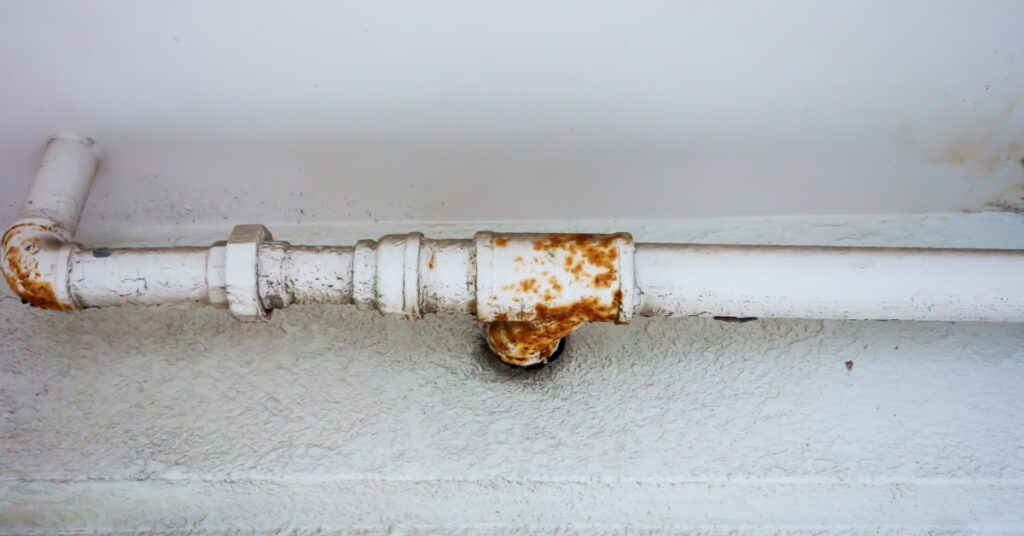
Your home’s plumbing system plays a significant role in the quality of your tap water. Older pipes, particularly those made of galvanized steel, lead, or polybutylene, can contribute to contamination. Corroded pipes can leach harmful substances into your water, while sediment buildup from rust and scale can affect water quality.
Plumbing-Related Contaminants:
- Lead: Lead is a major concern, particularly in homes built before 1986, when the use of lead pipes was banned. Lead can leach into water from corroded pipes, posing serious health risks, especially to young children.
- Rust and Sediment: Old pipes made from galvanized steel or iron are prone to rusting. The rust particles can enter the water supply, leading to discoloration, poor taste, and potential health risks.
- Plastic Pipes: Polybutylene pipes, which were commonly used in the 1970s and 1980s, are prone to degrading over time, releasing chemicals into the water and contributing to sediment buildup..
How to Improve the Quality of Your Tap Water
Now that you understand what’s in your tap water and how it can affect your health, skin, and hair, it’s important to take action to improve the water quality in your home. Here are some steps you can take:
Install Water Filters
Water filters are a simple and effective way to remove chlorine, sediment, and other contaminants from your tap water. There are many different types of filters available, including activated carbon filters, reverse osmosis systems, and UV filters. Each type targets different contaminants, so it’s important to choose one that meets your specific needs.
Consider a Water Softener
If you live in an area with hard water, installing a water softener can help reduce the mineral content in your water, protecting your skin, hair, and plumbing. Water softeners work by exchanging the calcium and magnesium ions with sodium or potassium ions, preventing the minerals from building up.
Upgrade Your Plumbing System
If your plumbing system is old and prone to corrosion, replacing outdated pipes is a necessary step in improving water quality. At Prime Flow Plumbing, we specialize in upgrading plumbing systems, replacing old pipes with modern, safe materials that ensure clean water throughout your home.
Prime Flow Plumbing: Your Partner in Clean Water
At Prime Flow Plumbing, we understand the importance of clean, safe water for your home. Whether you’re dealing with chlorine, sediment, hard water, or outdated plumbing, we offer solutions to improve the quality of your water. Our team of professionals can help you ensure your water is free from contaminants. If you’re concerned about the quality of your tap water, contact us today for a consultation. We’ll assess your plumbing system and provide recommendations to improve the water you drink, bathe in, and use every day.